
Growth
Client Proposals That Get Accepted: A Simple Template
The structure of a proposal that wins business work — and the common mistakes that lose it before anyone reads the price.
Independently researchedNo paid placementsEvery recommendation is disclosed
Key highlights
This guide covers client proposals that get accepted: a simple template with practical steps, honest trade-offs, and clear recommendations.
Key highlights
- 1A proposal is not a price list.
- 2Open with their situation in your words.
- 3Then state the outcome, not the activity.

Some links on this page are affiliate links. If you sign up through them we may earn a commission at no extra cost to you.
Read more about who publishes this on the publisher profile.
Chapter 01 · The bottom line
The short answer
A proposal is not a price list. It's an argument that you understand the problem and can be trusted to fix it. Open with their situation in your words. Restating what they told you, accurately and briefly, does more to win the work than any credentials section — it proves you listened and you understood. Then state the.
Chapter 02 · How it works
Practical guide
A proposal is not a price list. It's an argument that you understand the problem and can be trusted to fix it.
Open with their situation in your words. Restating what they told you, accurately and briefly, does more to win the work than any credentials section — it proves you listened and you understood.
A proposal is not a price list.
Related reading: Finding Business Clients: Stop Chasing Small Jobs
Then state the outcome, not the activity. "A booking system your staff can manage without calling us" is a purchase. "40 hours of development" is a cost.
Recommended: Lovable
Describe the site or app you want in plain English and get a real, custom build you own — no developer needed.
Try Lovable →
Set out the approach in plain stages with what each produces and roughly when. Detail here reduces perceived risk, which is the main thing standing between you and a signature.
Be explicit about scope — what's included, what isn't, and what happens if something changes. Ambiguity here becomes an argument later, always.
Related reading: Client Retainers: Turn One-Off Projects Into Steady Income

Offer options rather than one number. Two or three tiers let the buyer choose the size of the commitment instead of choosing whether to commit at all, and the middle option is frequently taken.
Show relevant proof: one or two examples of comparable work with what actually changed as a result.
Related reading: Hiring Freelance Help: Delegate Without Building a Team
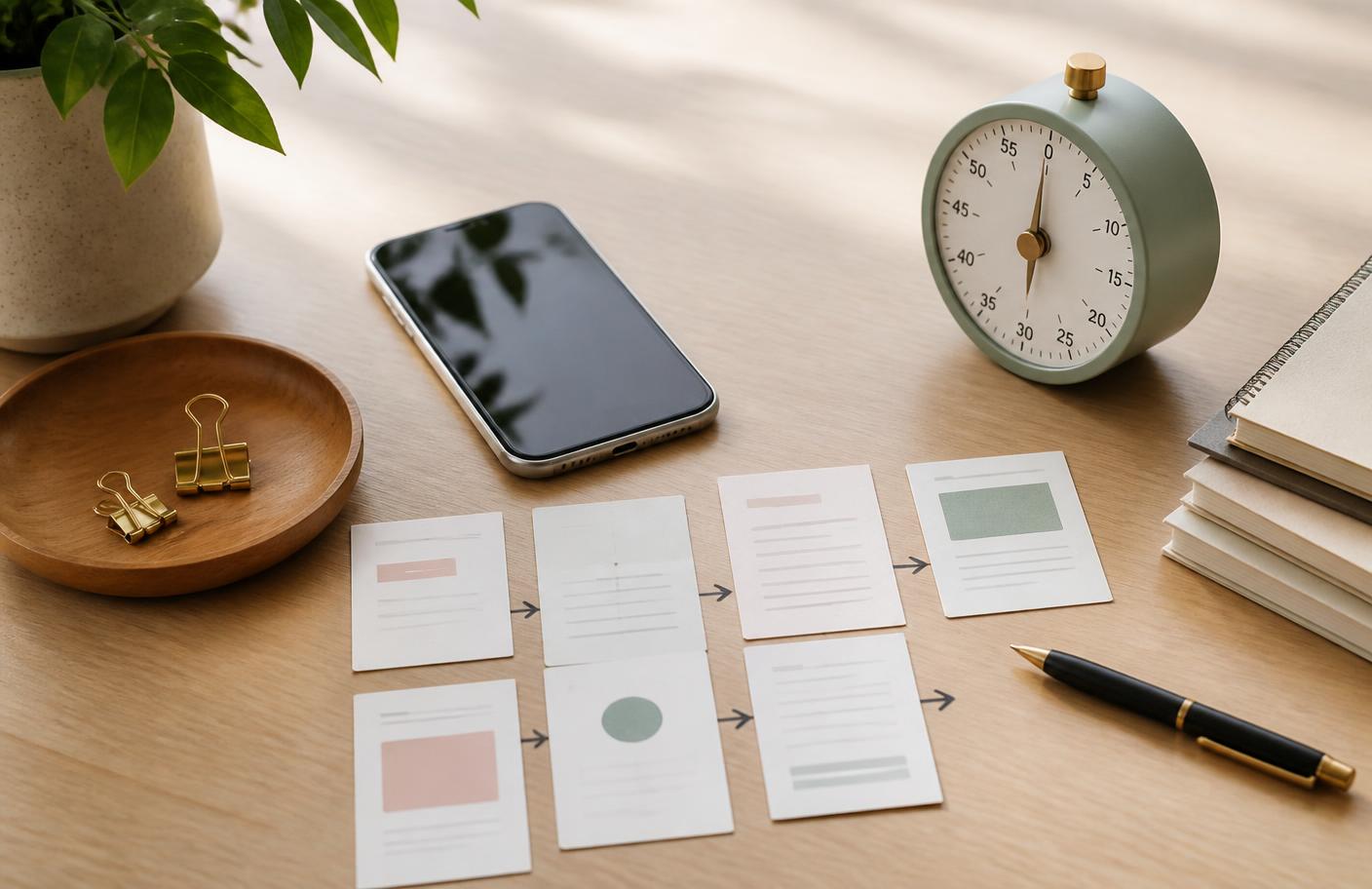
Close with the mechanics — timeline, payment schedule, what you need from them, and the single next step. Then follow up. Proposals stall because the buyer got busy far more often than because they decided against you.
Keep it short. A focused three pages is read; twenty pages is skimmed to the price.
Chapter 03 · What matters most
Key takeaways
- A proposal is not a price list.
- Open with their situation in your words.
- Then state the outcome, not the activity.
Watch out for: promises that remove every trade-off, cost or risk from the decision.
People also viewed
Top 3 in this niche, compared
Our editorial shortlist for growth, ordered by how often it is the right first choice for a beginner. This is our own ranking, not a scored test — check current pricing and availability on each provider’s own site.
- 1
Free-tier CRM and email that scales with a small business.
Who it is for: getting found and staying found. Not for: anyone with no offer to market yet.
Position 1 of 3 in our shortlist · best for getting found and staying found
Visit HubSpot - 2
Keeps leads and customer conversations in one place as you scale.
Who it is for: turning visitors into customers. Not for: a business with no repeat traffic yet.
Position 2 of 3 in our shortlist · best for turning visitors into customers
Visit Intercom - 3
Keeps leads and customer conversations in one place as you scale.
Who it is for: turning visitors into customers. Not for: a business with no repeat traffic yet.
Position 3 of 3 in our shortlist · best for turning visitors into customers
Visit Zendesk
HubSpot vs Intercom
The two choices most people in growth end up deciding between.
HubSpot
- Type:
- Desktop tool
- Best for:
- getting found and staying found
- Not for:
- anyone with no offer to market yet
- Why we list it:
- Free-tier CRM and email that scales with a small business.
Intercom
- Type:
- Desktop tool
- Best for:
- turning visitors into customers
- Not for:
- a business with no repeat traffic yet
- Why we list it:
- Keeps leads and customer conversations in one place as you scale.
When HubSpot is the better choice
Choose HubSpot when your main job is getting found and staying found. Skip it if you are anyone with no offer to market yet.
When Intercom is the better choice
Intercom makes more sense when the priority is turning visitors into customers. It is not the right pick for a business with no repeat traffic yet.
Alternatives to HubSpot
Some links here are partner links — if you sign up we may earn a commission at no extra cost to you. How we review and recommend.
Recommended tools and apps
A short, honest shortlist: desktop tools you set up once, and phone apps you can use on the move. We keep the list small on purpose.
Some links below are partner links — if you sign up we may earn a commission at no extra cost to you. It never changes what we recommend. How we review and recommend.
- ZoomInfoDesktop tool
Company and contact data for outreach when you sell to businesses.
- Best for
- turning visitors into customers
- Not for
- a business with no repeat traffic yet
- DigitalMarketerDesktop tool
Campaign playbooks you can copy instead of inventing a funnel.
- Best for
- getting found and staying found
- Not for
- anyone with no offer to market yet
- Demand CurveDesktop tool
Practical acquisition playbooks for small teams and solo founders.
- Best for
- turning visitors into customers
- Not for
- a business with no repeat traffic yet
- Semrush appPhone app
Rank and traffic checks between other tasks.
- Best for
- getting found and staying found
- Not for
- anyone with no offer to market yet
Availability, pricing and eligibility change — always check on the provider’s own site. See every brand we recommend.
Recommended from Akacen
Related product guides

Dubai Wealth Secret
A plain-language review of the online income program and what it claims.
Tools used in this guide
Lovable
Describe the site or app you want in plain English and get a real, custom build you own — no developer needed.
Try LovableStripe
Takes card payments and subscriptions worldwide without you touching card data.
Try Stripe
Chapter 04 · Before you decide
Decision checklist
Three checks to make before acting on this guide.
| Check | What good looks like |
|---|---|
| Clarity | You can explain how this applies to client proposals that get accepted: a simple template in one sentence. |
| Cost | You understand the time and money required before committing. |
| Test | You can try a small, reversible version before expanding. |
Verdict: start with the smallest reversible version, then expand using real results.
Do this next
Your next steps
- 1You can explain how this applies to client proposals that get accepted: a simple template in one sentence.
- 2You understand the time and money required before committing.
- 3You can try a small, reversible version before expanding.
Chapter 05 · Questions answered
Common questions
What is the best first step for client proposals that get accepted: a simple template?
A proposal is not a price list.
Which mistake matters most in growth?
Avoid adding cost or complexity before you have tested the smallest practical step described in this guide.
How should I use this growth guide?
Complete one practical action at a time, record what changed, and only add another tool when the next benefit is clear.
Chapter 06 · Final verdict
Final thoughts
The best approach to client proposals that get accepted: a simple template depends on your current constraints, not the most popular option.
Use the checklist above to choose one small step, try it, and measure whether it actually saves time or money.
When you are ready, explore the related guides below and start with one small step.
Keep reading
What to do next
Pick the smallest useful step from this guide and complete it before adding another tool or plan.
Related guides
Akacen editorial team
Independent, practical publishing
Akacen covers online business, money, security and software. Guides combine careful research with practical checks, clearly marked partner links and no paid rankings.
About AkacenHow we reviewContactYouTubePinterestInstagramTikTok
Some links on this page are affiliate links. If you sign up through them we may earn a commission at no extra cost to you.
Read more about who publishes this on the publisher profile.