
E-Commerce & Marketplaces
Marketplace vs Your Own Online Store: Which Is Better?
Compare selling on marketplaces with running your own store — traffic, fees, control and what each one costs you long term.
Independently researchedNo paid placementsEvery recommendation is disclosed
Key highlights
This guide covers marketplace vs your own online store: which is better? with practical steps, honest trade-offs, and clear recommendations.
Key highlights
- 1The choice between a marketplace and your own website is really a choice about who owns the customer.
- 2A marketplace gives you traffic on day one.
- 3Your own store reverses all of it.

Some links on this page are affiliate links. If you sign up through them we may earn a commission at no extra cost to you.
Read more about who publishes this on the publisher profile.
Chapter 01 · The bottom line
The short answer
The choice between a marketplace and your own website is really a choice about who owns the customer. A marketplace gives you traffic on day one. Shoppers are already there, already logged in, already willing to buy. You inherit that trust immediately, which is why many sellers get their first sales faster there than anywhere else. The cost.
Chapter 02 · How it works
Practical guide
The choice between a marketplace and your own website is really a choice about who owns the customer.
A marketplace gives you traffic on day one. Shoppers are already there, already logged in, already willing to buy. You inherit that trust immediately, which is why many sellers get their first sales faster there than anywhere else. The cost is a commission on every order, strict rules you don't control, and — critically — a customer who belongs to the marketplace, not to you.
The choice between a marketplace and your own website is really a choice about who owns the customer.
Related reading: How to Start an Online Store With No Money: Step-by-Step
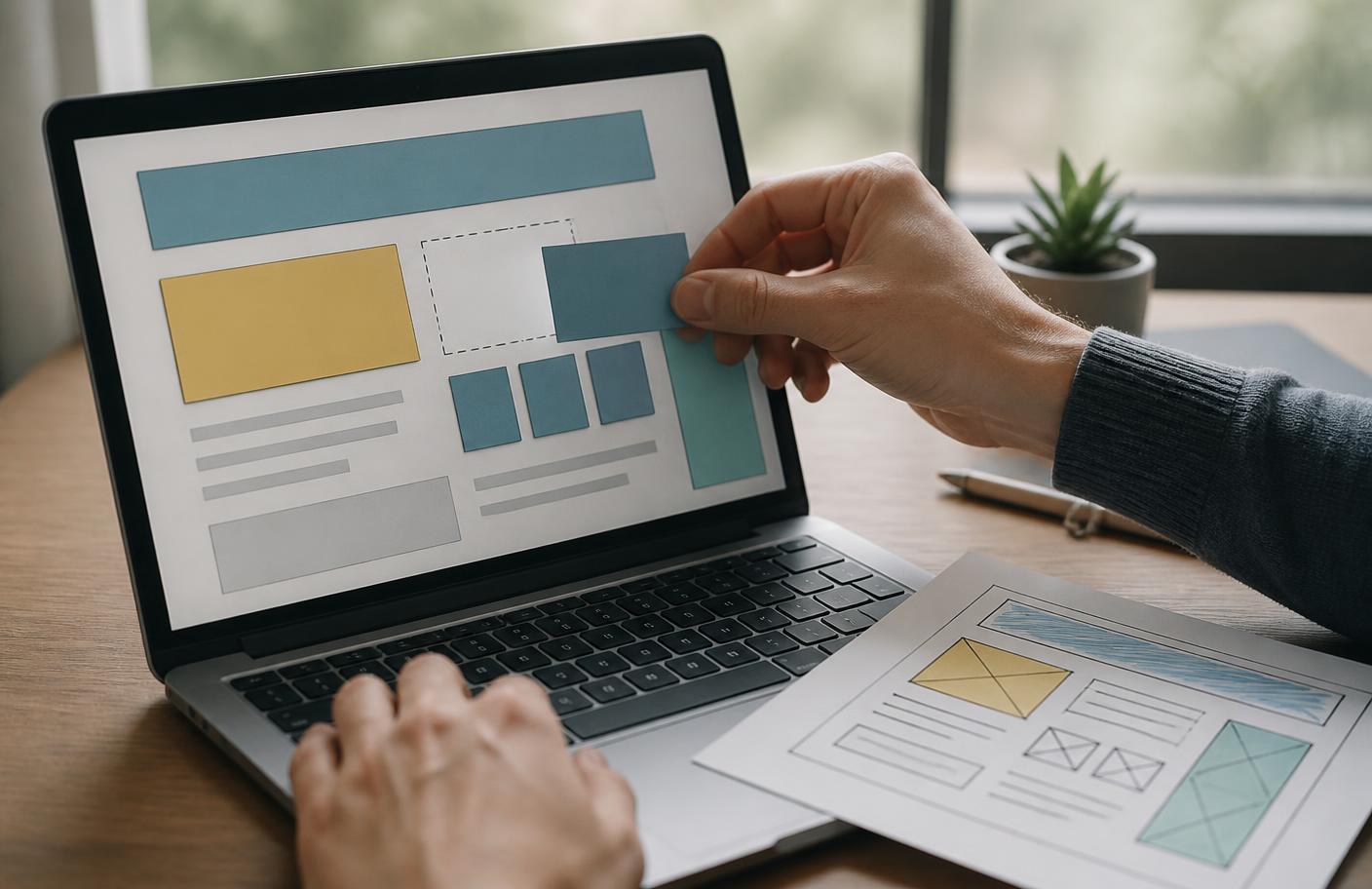
Your own store reverses all of it. No built-in traffic: you must earn every visitor through search, social or advertising. But your margins are yours, your brand is yours, and the email address of every buyer is yours to sell to again.
Recommended: Hostinger
Cheap, reliable hosting with domains included, so your first site and its address live in one place.
Try Hostinger →The practical answer for most beginners is not either/or. Start on a marketplace to validate that people want the product and to learn what questions they ask. At the same time, put up a simple store of your own and include a small card in every marketplace parcel inviting buyers to order direct next time.

Watch the numbers as you grow. Marketplace commission is invisible when you sell five items a month and painful when you sell five hundred. The moment commissions exceed what it would cost you to acquire the same customer yourself, shift your effort to your own site.
Related reading: How to Find Products to Sell Online Before You Spend Money

One caution: never build a business on a single platform you don't control. Accounts get suspended, rules change, categories get restricted. A store you own is insurance as much as it is a sales channel.
Chapter 03 · What matters most
Key takeaways
- The choice between a marketplace and your own website is really a choice about who owns the customer.
- A marketplace gives you traffic on day one.
- Your own store reverses all of it.
Watch out for: promises that remove every trade-off, cost or risk from the decision.
People also viewed
Top 3 in this niche, compared
Our editorial shortlist for e-commerce & marketplaces, ordered by how often it is the right first choice for a beginner. This is our own ranking, not a scored test — check current pricing and availability on each provider’s own site.
- 1
Build pages, funnels or documents without hiring a developer.
Who it is for: building a site without writing code. Not for: complex custom software with unusual requirements.
Position 1 of 3 in our shortlist · best for building a site without writing code
Visit ClickFunnels - 2
Build pages, funnels or documents without hiring a developer.
Who it is for: building a site without writing code. Not for: complex custom software with unusual requirements.
Position 2 of 3 in our shortlist · best for building a site without writing code
Visit ThriveCart - 3
Email and SMS flows tied to what shoppers actually did.
Who it is for: selling physical or digital products. Not for: a one-off sale you could make on a marketplace.
Position 3 of 3 in our shortlist · best for selling physical or digital products
Visit Klaviyo
ClickFunnels vs ThriveCart
The two choices most people in e-commerce & marketplaces end up deciding between.
ClickFunnels
- Type:
- Desktop tool
- Best for:
- building a site without writing code
- Not for:
- complex custom software with unusual requirements
- Why we list it:
- Build pages, funnels or documents without hiring a developer.
ThriveCart
- Type:
- Desktop tool
- Best for:
- building a site without writing code
- Not for:
- complex custom software with unusual requirements
- Why we list it:
- Build pages, funnels or documents without hiring a developer.
When ClickFunnels is the better choice
Choose ClickFunnels when your main job is building a site without writing code. Skip it if you are complex custom software with unusual requirements.
When ThriveCart is the better choice
ThriveCart makes more sense when the priority is building a site without writing code. It is not the right pick for complex custom software with unusual requirements.
Alternatives to ClickFunnels
Some links here are partner links — if you sign up we may earn a commission at no extra cost to you. How we review and recommend.
Recommended tools and apps
A short, honest shortlist: desktop tools you set up once, and phone apps you can use on the move. We keep the list small on purpose.
Some links below are partner links — if you sign up we may earn a commission at no extra cost to you. It never changes what we recommend. How we review and recommend.
- LeadpagesDesktop tool
Fast landing pages when you only need one page to convert.
- Best for
- getting found and staying found
- Not for
- anyone with no offer to market yet
- Thrive ThemesDesktop tool
Conversion-focused WordPress templates and opt-in forms.
- Best for
- getting found and staying found
- Not for
- anyone with no offer to market yet
- GoHighLevelDesktop tool
Build pages, funnels or documents without hiring a developer.
- Best for
- building a site without writing code
- Not for
- complex custom software with unusual requirements
- AliExpressPhone app
Selling platform or supplier tool for anyone running a store.
- Best for
- selling physical or digital products
- Not for
- a one-off sale you could make on a marketplace
Availability, pricing and eligibility change — always check on the provider’s own site. See every brand we recommend.
Recommended from Akacen
Related product guides

Dubai Wealth Secret
A plain-language review of the online income program and what it claims.
Tools used in this guide
Hostinger
Cheap, reliable hosting with domains included, so your first site and its address live in one place.
Try HostingerStripe
Takes card payments and subscriptions worldwide without you touching card data.
Try Stripe
Chapter 04 · Before you decide
Decision checklist
Three checks to make before acting on this guide.
| Check | What good looks like |
|---|---|
| Clarity | You can explain how this applies to marketplace vs your own online store: which is better? in one sentence. |
| Cost | You understand the time and money required before committing. |
| Test | You can try a small, reversible version before expanding. |
Verdict: start with the smallest reversible version, then expand using real results.
Do this next
Your next steps
- 1You can explain how this applies to marketplace vs your own online store: which is better? in one sentence.
- 2You understand the time and money required before committing.
- 3You can try a small, reversible version before expanding.
Chapter 05 · Questions answered
Common questions
What is the best first step for marketplace vs your own online store: which is better??
The choice between a marketplace and your own website is really a choice about who owns the customer.
Which mistake matters most in e-commerce & marketplaces?
Avoid adding cost or complexity before you have tested the smallest practical step described in this guide.
How should I use this e-commerce & marketplaces guide?
Complete one practical action at a time, record what changed, and only add another tool when the next benefit is clear.
Chapter 06 · Final verdict
Final thoughts
The best approach to marketplace vs your own online store: which is better? depends on your current constraints, not the most popular option.
Use the checklist above to choose one small step, try it, and measure whether it actually saves time or money.
When you are ready, explore the related guides below and start with one small step.
Keep reading
Learn more
What to do next
Pick the smallest useful step from this guide and complete it before adding another tool or plan.
Related guides
- How to Start an Online Store With No Money: Step-by-Step
- How to Find Products to Sell Online Before You Spend Money
- Product Page Checklist: What Every Product Page Should Include
- How to Get Your First Customers Without Paid Ads
- Explore E-Commerce & Marketplaces
- Browse every Digital Business topic
- See the full index of guides
Akacen editorial team
Independent, practical publishing
Akacen covers online business, money, security and software. Guides combine careful research with practical checks, clearly marked partner links and no paid rankings.
About AkacenHow we reviewContactYouTubePinterestInstagramTikTok
Some links on this page are affiliate links. If you sign up through them we may earn a commission at no extra cost to you.
Read more about who publishes this on the publisher profile.