 Akacen Media
Crypto
Crypto Exchanges: How They Work and What to Check
Chapter 01 · Short answer
The short answer
A crypto exchange matches buyers and sellers, and most also hold your funds, meaning you own a balance in their system rather than keys on the blockchain. Before using one, check who operates it, its regulation, real withdrawal behaviour, security features and full fees, then keep only what you actively trade there.
What an exchange actually does with your money, the difference between custody types, and the checks to make before using one.
Independently researched
Affiliate disclosure: Akacen may earn a commission if you buy through links on this page, at no extra cost to you.

How we review and verify tools
- Features, plans and trials are checked against the merchant's official website.
- We cite independent sources and never publish invented prices, ratings or guarantees.
- Paid partner links are always disclosed and never change what we write.
- Pages are re-checked and corrected when merchants change their offers.
Key takeaways
Akacen Media Verified Summary
- Most exchanges hold your coins, so you rely on the company.
- Withdrawal problems reported by users are the clearest warning sign.
- Cheap trading fees can hide wide spreads.
In this guide
Key highlights
Covers order matching, custody, regulation, withdrawal checks, security settings, fees and how to limit exposure to an exchange.
Key highlights
- 1An exchange is a marketplace and usually a custodian.
- 2A balance is a claim, not blockchain keys.
- 3Regulation varies and rarely removes all risk.
- 4Always compare spreads along with fees.
- 5Use exchanges for trading, not saving.
Chapter 02 · Practical guide & setup
Practical guide & setup
Context and priorities
What does a crypto exchange actually do with your money? It matches buyers and sellers, and in most cases it also holds your funds for you. That second role is where most catastrophic losses have occurred.
This guide explains how exchanges work, the difference between holding a balance and holding keys, the checks worth making before signing up, and how to limit your exposure. General information only, not financial advice.
Most exchanges hold your coins, so you rely on the company.
Related reading: Cryptocurrency for Beginners: What It Is in Plain English
Start with the basic job. An exchange runs a marketplace where people place orders to buy or sell. When a buy order and a sell order agree on a price, the exchange completes the trade between them.
Many exchanges also let you deposit ordinary currency, usually by bank transfer or card, and convert it into crypto. Others only trade one crypto against another. The options differ by country and by platform.
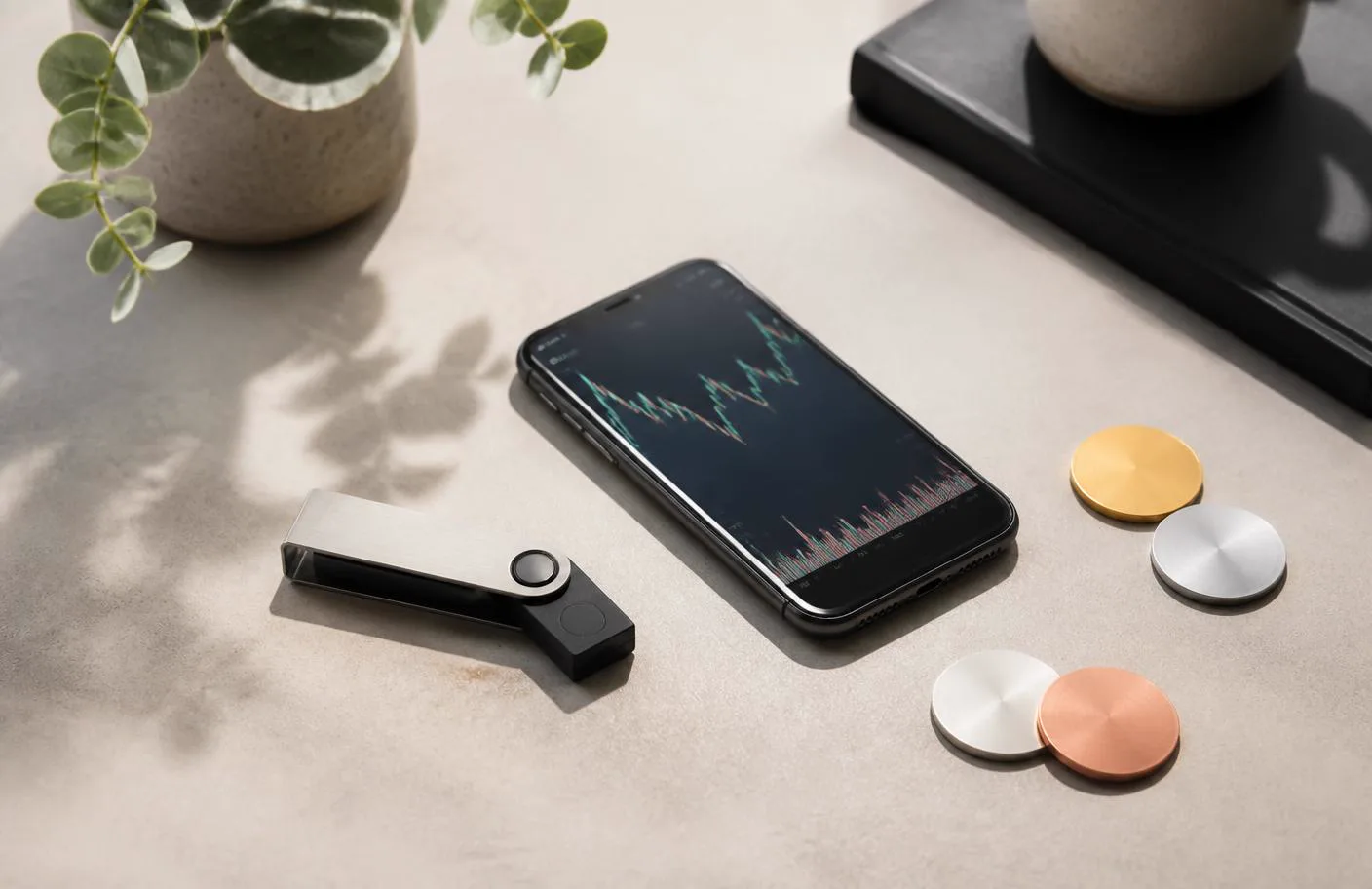
Now the crucial point: custody. When you buy on most exchanges, the coins are not sent to a wallet you control. The exchange keeps them in wallets it controls, and you hold a balance in its system.
That balance is a claim on the company, not keys on the blockchain. If the company fails, is hacked or freezes withdrawals, your access depends entirely on the company and on the courts.
"Not your keys, not your coins" is a crude phrase describing a real legal distinction. Customers of failed exchanges have waited years for partial repayments, and some have received little.
Exchanges differ in how they handle this. Some hold customer assets separately from company money, while others have mixed them. Read the terms of service to see who legally owns the assets you deposit.
Next, understand the order types. A market order buys or sells immediately at the best available price, while a limit order only runs at the price you set. Limit orders give more control over cost.
Be aware of the spread, which is the gap between the best buying and selling price. A wide spread means you lose more on every round trip, even when the exchange advertises a low trading fee.
Putting the approach into practice
Before using any exchange, check who operates it. Find the company name, the country it is based in and the people behind it. Anonymous operators are a serious warning sign.
Check regulation next. Look for the exchange on the official register of your country's financial or crypto regulator, rather than trusting a badge on the exchange's own website.
Understand what regulation means and does not mean. Rules vary enormously, and they often provide less protection than people assume. Still, an unregulated offshore operator provides none at all.
Look at how withdrawals actually work in practice, not in the documentation. Search for recent user reports of delays, extra verification demands or blocked withdrawals. This is the single most important warning sign.
Check security features. Two-factor authentication using an app or a physical key should be available. Prefer these over text-message codes, because phone numbers can be taken over by criminals.
Look for withdrawal address allowlists, which only permit withdrawals to addresses you approved in advance. Some platforms also add a delay after you change settings, which limits damage if your account is accessed.
Ask whether the company publishes proof of reserves and independent audits. Neither is a perfect guarantee, but a company that explains how it holds customer assets is more transparent than one that does not.
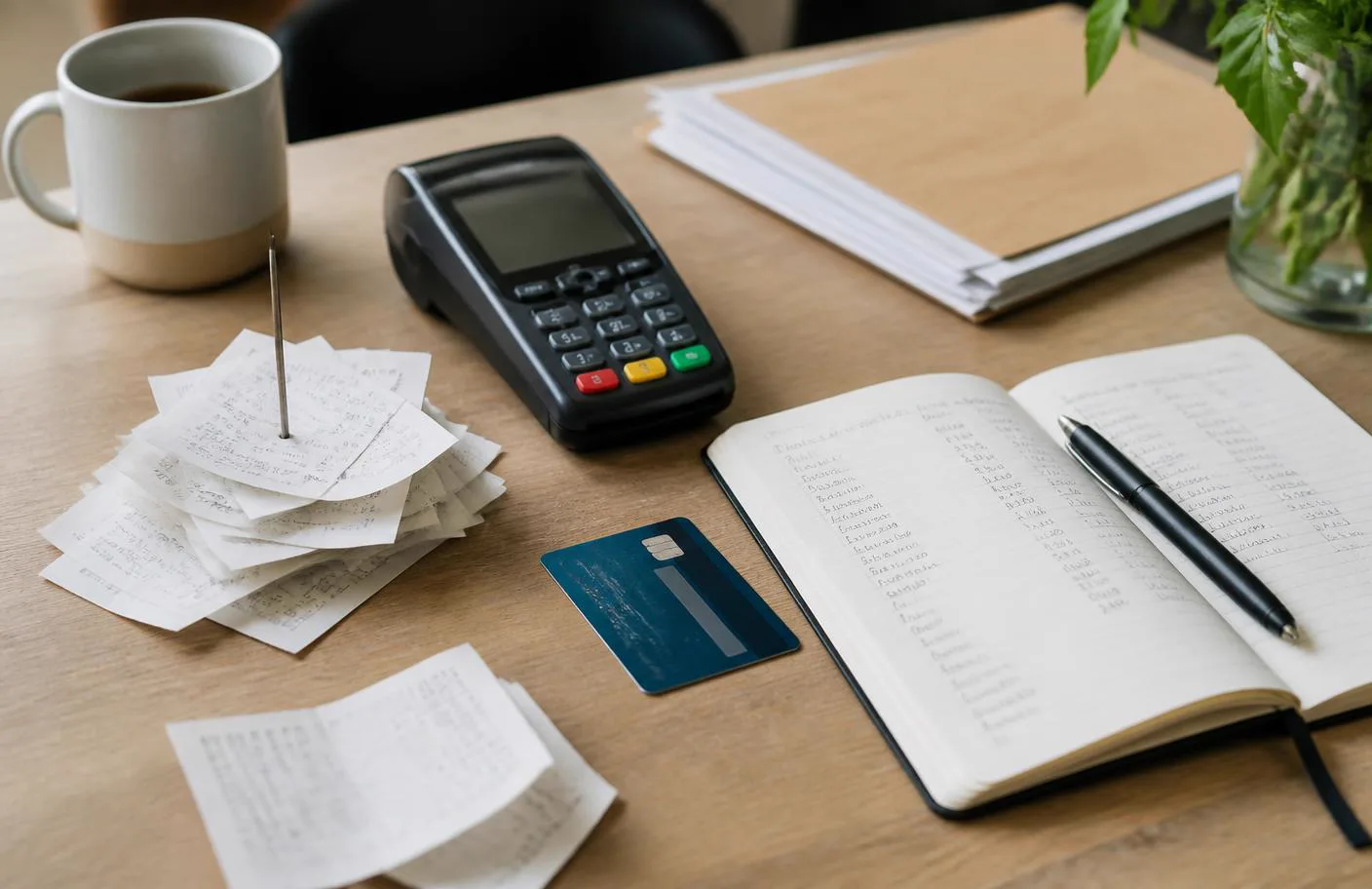
Understand the fees in full. They include trading fees, spreads, deposit charges, withdrawal charges and sometimes network fees. Confirm each one on the official fee page, because they change.
Note that the cheapest trading fee often accompanies the worst spread. Compare the final amount you receive on a small test trade rather than relying on the headline percentage.
Expect identity checks. Regulated exchanges ask for identification and sometimes proof of address before you can trade or withdraw. This is normal and part of anti-money-laundering rules.



Trade-offs and checks
Be wary of any platform that skips those checks entirely or promises guaranteed returns. Those features appear on fraudulent platforms far more often than on genuine ones.
Related reading: Crypto Wallets Explained: Keep Your Own Keys Safely
Check the address of the website carefully. Fake exchange sites and copies of real apps are common. Type the address yourself, use bookmarks and download apps only from official stores linked from the real site.
Treat unsolicited messages with suspicion. Support staff from genuine exchanges will not ask for your password, your two-factor codes or your recovery phrase. Anyone who does is attempting theft.
Test with a small amount first. Deposit a modest sum, make a trade, then withdraw it to confirm the whole cycle works and note exactly what each step cost and how long it took.
Keep your own records. Download trade histories regularly, because platforms can close or change features. Those records may also be needed for tax reporting in your country.
Think about tax. Many countries treat selling, swapping or spending crypto as a taxable event. Exchanges may report to the tax authority, so check the rules and consider asking a qualified adviser.
Then minimise exposure. Keep on an exchange only what you are actively trading. Move long-term holdings to a wallet you control, once you understand how to secure one properly.
Never treat an exchange as a savings account. Interest-style products offered by platforms carry the risk that the company cannot repay. Read exactly who is borrowing your assets and on what terms.
Spread your risk if you hold on exchanges at all. Using more than one platform means that a single failure does not freeze everything, although each additional account also needs strong security.
Secure the account around the exchange too. Use a unique password, a separate email address and a password manager. A compromised email account lets attackers reset your exchange password.

Making your next decision
Watch for pressure. Countdown timers, limited-time bonuses and promised profits are designed to rush decisions. A legitimate platform does not need you to act within minutes.
Know the difference between centralised and decentralised exchanges. A centralised exchange is a company that holds your funds. A decentralised one is software where you connect your own wallet and keep your keys.
Decentralised platforms remove the company risk but add others. Smart contract bugs, fake tokens and mistaken approvals can cost you everything, and nobody can reverse a transaction or help you recover it.
Read the approvals you grant. Connecting a wallet to a decentralised platform can allow a contract to spend your tokens. Review and revoke permissions you no longer need, and avoid links from unknown sources.
Check what happens if the company closes. Look for a stated process in the terms, and for how customers are treated in insolvency. Vague answers on this point deserve a cautious reading.
Understand withdrawal limits and verification tiers. Some platforms cap daily withdrawals until you complete extra checks. Knowing the limits in advance prevents an unpleasant surprise during a market panic.
Look at the company's track record. How long has it operated, how has it handled past incidents, and did it communicate openly? A clear history is more useful than a polished marketing page.
Related reading: Crypto Scams: The Red Flags That Drain Wallets
The verdict is practical. An exchange is a service, not a vault. Check who runs it, whether it is regulated, how withdrawals really behave, how security is built and what everything costs.
Then keep only what you need there. Most serious losses come from trusting a company with funds for far too long. Confirm all regulatory and fee details on official sources before depositing anything.


Chapter 03 · Key highlights & takeaways
Key highlights & takeaways
- Most exchanges hold your coins, so you rely on the company.
- Withdrawal problems reported by users are the clearest warning sign.
- Cheap trading fees can hide wide spreads.
- Keep only actively traded funds on an exchange.
Watch out for: General information only, not financial advice. Crypto is highly volatile, exchanges can fail, and you can lose everything you deposit.
Practical steps
- Identify the operator and find it on an official regulator register.
- Enable app-based two-factor authentication and withdrawal allowlists.
- Test a small deposit, trade and withdrawal first.
- Move long-term holdings to a wallet you control.
People also viewed
Chapter 04 · Before you decide
Pros, cons & decision checklist
Pros, cons and who it suits
Pros
- ✓ An exchange is a marketplace and usually a custodian
- ✓ A balance is a claim, not blockchain keys
- ✓ Regulation varies and rarely removes all risk
Cons
- – General information only, not financial advice
- Best for
- Readers who can confirm this: Named company found on an official register
- Skip if
- General information only, not financial advice. Crypto is highly volatile, exchanges…
Three checks to make before acting on this guide.
| Check | What good looks like |
|---|---|
| Operator and regulation | Named company found on an official register |
| Security settings | App-based two-factor and withdrawal allowlist on |
| Withdrawal test | Small amount deposited and withdrawn successfully |
Verdict: start with the smallest reversible version, then expand using real results.

Chapter 05 · FAQ
Frequently asked questions
Does an exchange own my coins?
Usually it holds them and you hold a claim on the company.
What is a spread?
The gap between the best buying and selling price.
Is a regulated exchange safe?
Regulation helps but is not a guarantee.
What is proof of reserves?
A published attempt to show an exchange holds the assets it owes customers.
Why does an exchange ask for identification?
Regulated platforms must verify customers under anti-money-laundering rules.
Should I keep savings on an exchange?
No.
Chapter 06 · Final verdict & next steps
Final verdict & next steps
An exchange is a service, not a vault.
Test the full cycle with a small amount first.
Confirm fees and regulation on official sources.
Do this next
Your next steps
- 1Identify the operator and find it on an official regulator register.
- 2Enable app-based two-factor authentication and withdrawal allowlists.
- 3Test a small deposit, trade and withdrawal first.
- 4Move long-term holdings to a wallet you control.
Keep reading
Sources: official vendor pages where a product is mentioned. Last reviewed 15 September 2026; prices are not quoted here, so confirm current prices and terms on the official site.
What to do next
Pick the smallest useful step from this guide and complete it before adding another tool or plan.
Related guides
Akacen Media editorial team
Independent, practical publishing
Akacen Media covers online business, money, security and software. Guides combine careful research with practical checks, clearly marked partner links and no paid rankings.
About Akacen MediaHow we reviewContactYouTubePinterestInstagramTikTok
Some links on this page are affiliate links. If you sign up through them we may earn a commission at no extra cost to you.
General information only — not financial advice.
Crypto is highly volatile and you can lose the full amount.
Read more about who publishes this on the publisher profile.