 Akacen Media
Tools & Productivity
Email Marketing Basics: A Welcome Series That Sells
Chapter 01 · Short answer
The short answer
Yes, build an email list early. Unlike social followers, subscribers are an audience you own. Offer something specific in exchange for an address, send a short automatic welcome series that teaches before it sells, include consent and an unsubscribe link, and judge success by replies and sales rather than list size.
Why an email list is worth more than social followers, and how to start one properly with a welcome series.
Independently researched
Affiliate disclosure: Akacen may earn a commission if you buy through links on this page, at no extra cost to you.

How we review and verify tools
- Features, plans and trials are checked against the merchant's official website.
- We cite independent sources and never publish invented prices, ratings or guarantees.
- Paid partner links are always disclosed and never change what we write.
- Pages are re-checked and corrected when merchants change their offers.
Key takeaways
Akacen Media Verified Summary
- An email list is the one audience a platform cannot take away.
- A specific, immediate incentive beats a generic newsletter promise.
- A welcome series should teach first and sell last.
In this guide
Key highlights
Why an email list beats social followers, how to design a five-email welcome series, the legal basics, and how to measure results honestly.
Key highlights
- 1You own an email list; you only rent social reach.
- 2Offer something specific, not just a newsletter.
- 3Teach in the welcome series before you sell.
- 4Consent and easy unsubscribes protect delivery.
- 5Judge by replies and sales, not list size.
Chapter 02 · Practical guide & setup
Practical guide & setup
Context and priorities
Is an email list really worth building when social media is free? Yes. Social platforms rent you an audience and can stop delivering it whenever they choose, while an email list is the only audience you own outright. That is why experienced online businesses build one early.
The core idea is simple. Someone gives you their address in exchange for something useful, you send them helpful messages over time, and a share of them eventually buy. A welcome series is the first few emails that arrive automatically after signup, and it does most of the selling.
An email list is the one audience a platform cannot take away.
Related reading: Build a Website Without Code: Launch in One Weekend
Start with a reason to subscribe. The word newsletter is not a reason. A short guide, a checklist, a template or early access is a reason, as long as it is specific, delivered immediately and closely related to what you sell. Vague incentives attract people who never open anything.
Choose one email tool and keep the setup plain. You need a signup form, a way to send an automatic welcome message, a visible unsubscribe link and basic reporting. Most services offer a free tier for small lists, so confirm current limits on the official site before committing.
Put the signup form where people already are. The best places are your most-read pages, the end of each article and one unobtrusive prompt elsewhere. Ask for the email address and, at most, a first name. Every extra field you add reduces the number of people who finish.
Do the legal basics properly from day one. You need clear consent, a plain explanation of what you will send, a working unsubscribe link in every email and your business details in the footer. Rules differ by country, so check the requirements where your subscribers live.
Use a confirmation step if your tool offers one. A double opt-in means the subscriber clicks a link to verify their address. It slightly slows list growth, but it filters out typos and fake addresses, and it protects your sending reputation with the large inbox providers.

Putting the approach into practice
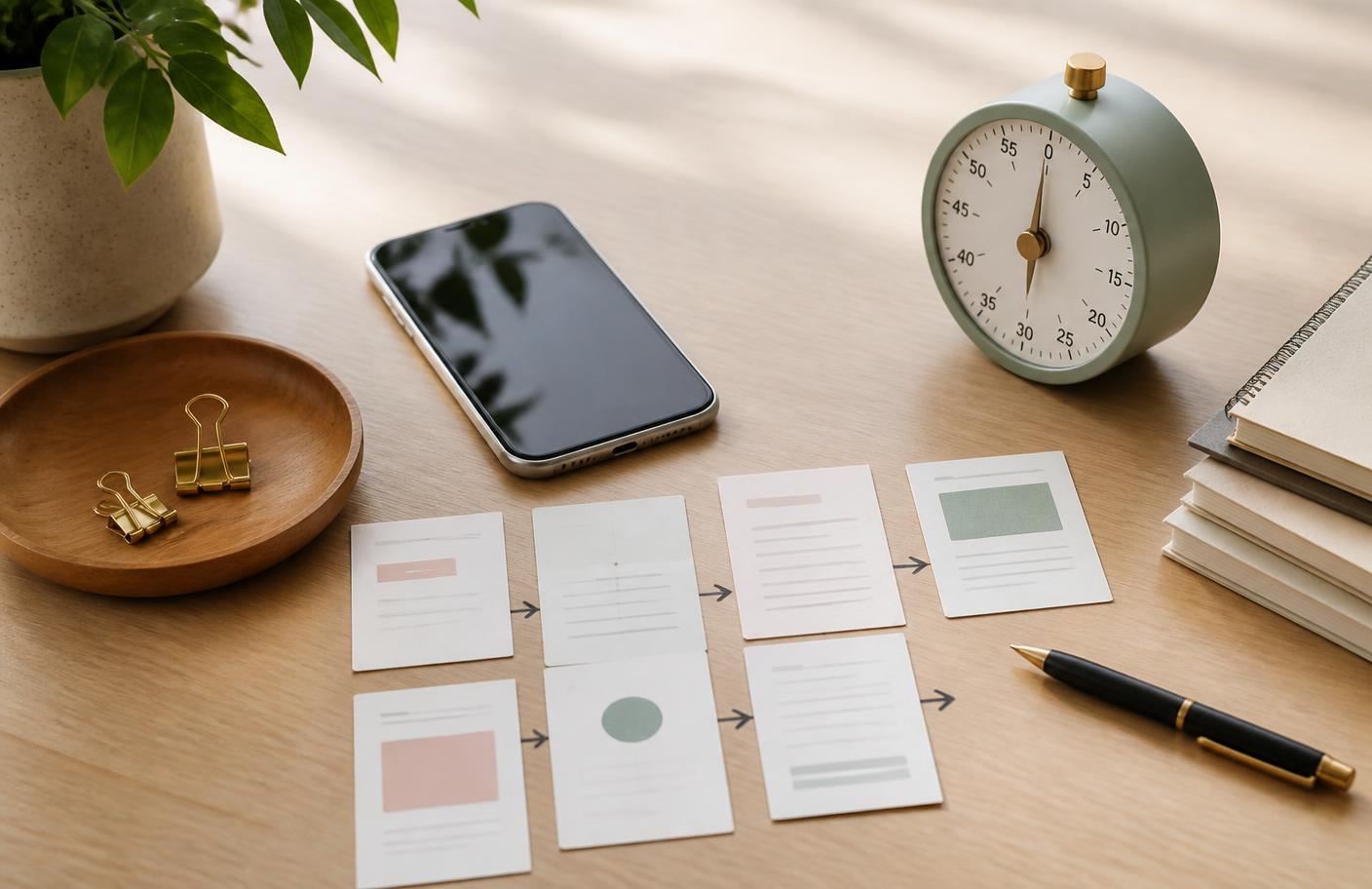
Now plan the welcome series. Four or five emails over about two weeks is a reasonable pattern. The goal is to deliver what you promised, introduce yourself, solve one real problem and only then make an offer. Each email should have one job and one clear next step.
Email one arrives immediately and delivers the promised item. Keep it short. Say who you are, link to the download, and tell the reader what to expect next and how often. People who get what they asked for straight away are far more likely to open your later messages.
Email two tells a brief story about why you do this work and what problem you solve. This is where a reader decides whether you are credible. Stay specific, avoid hype, and end with a single question that invites a reply, because replies signal to inbox providers that your mail is wanted.
Email three teaches. Pick the most common mistake or question your customers have and answer it fully, with no sales pitch attached. This is the email people forward and remember. It proves you know the subject and earns the right to ask for something later.
Email four connects the lesson to your product or service. Explain who it suits, who it does not suit and what happens after purchase. Be honest about limits. A message that tells the wrong buyer to skip it builds more trust than one that tries to sell to everyone.
Email five handles the remaining doubts. Answer the two or three objections you hear most often, such as price, time or fit, and link to the official page where current terms are shown. Never promise results you cannot control, and never invent urgency that does not exist.


Trade-offs and checks
Write to one person, not to a list. Use plain words, short paragraphs and one idea per email. Read each draft aloud before sending. If a sentence sounds like something you would never say to a friend across a table, rewrite it until it does.
Related reading: AI Tools for Business: Get Useful Output, Not Filler

Subject lines decide whether any of this gets read. Be clear before being clever. A subject that says what is inside beats a mysterious one, and anything that sounds misleading drives unsubscribes and spam complaints. Keep it short enough to read fully on a phone screen.
Lead with the useful part and put the offer after it. If an email is mostly a pitch, readers learn to ignore you. A reasonable rule is that most of what you send teaches, entertains or helps, and only an occasional message asks for a sale.
After the welcome series, settle into a rhythm. A short, genuinely helpful email every week or fortnight beats a long one whenever you remember. Consistency matters more than frequency, so choose a schedule you can keep during busy weeks without skipping.
Delay has a cost here. Every visitor who leaves without subscribing is usually gone for good, and a list grows slowly at first, then compounds. Starting with a modest form and a three-email welcome today beats waiting months for a perfect design and a perfect offer.
Measure the right things. Opens and clicks are useful signals, but they are imperfect, partly because privacy features on some devices inflate open counts. Judge your list by replies, clicks on links that matter and, above all, by actual sales that trace back to email.
Watch for warning signs. A rising unsubscribe rate after one email tells you that message missed. Spam complaints are far more serious than unsubscribes, so make leaving easy. A small engaged list outperforms a large indifferent one every time.

Making your next decision
Keep the list clean. Remove addresses that bounce, and consider a gentle re-engagement email to people who have not opened anything for several months. If they still do not respond, let them go. Sending to uninterested people lowers delivery for everyone else.
Never buy a list and never add people who did not ask. Purchased addresses have not consented, they rarely engage, and they trigger complaints that can get your account suspended. It destroys the very asset you are trying to build and may break the law.
Before you decide on tools, check a few practical points. Can you export your list at any time? Does the service handle unsubscribes automatically? Are the current prices and limits shown on the official site? Portability matters because switching later should never mean losing your subscribers.
Think about where email fits with the rest of your setup. Your signup form lives on your website, your payments tool records who bought, and your welcome series connects the two. Keep the flow simple enough that you could explain it to someone in two minutes.
Related reading: One-Person Business Software: The Lean Minimum Stack
Test before you launch. Subscribe with your own address, then check that the welcome email arrives promptly, that links work, that the layout reads well on a phone and that the unsubscribe link functions. Check the spam folder too, and fix problems before real subscribers meet them.
The verdict is straightforward. Build the list early, offer something specific, send a short welcome series that teaches before it sells, and stay legal and consistent. Do not chase size. A modest list of people who chose to hear from you is worth far more than a large one that did not.


Chapter 03 · Key highlights & takeaways
Key highlights & takeaways
- An email list is the one audience a platform cannot take away.
- A specific, immediate incentive beats a generic newsletter promise.
- A welcome series should teach first and sell last.
- Consent and unsubscribe links are required and also protect delivery.
Watch out for: Never buy lists or add people who did not ask. It breaks consent rules in many countries and can get your sending account suspended.
Practical steps
- Pick one specific incentive and one email tool with export.
- Add a short signup form to your most-read pages.
- Write a four or five email welcome series, one job per email.
- Test the full flow with your own address before launch.
People also viewed
Chapter 04 · Before you decide
Pros, cons & decision checklist
Pros, cons and who it suits
Pros
- ✓ You own an email list; you only rent social reach
- ✓ Offer something specific, not just a newsletter
- ✓ Teach in the welcome series before you sell
Cons
- – Never buy lists or add people who did not ask
- Best for
- Readers who can confirm this: Subscribers get it within minutes
- Skip if
- Never buy lists or add people who did not ask. It breaks consent rules in many…
Three checks to make before acting on this guide.
| Check | What good looks like |
|---|---|
| Incentive is specific and delivered immediately | Subscribers get it within minutes. |
| Consent, footer details and unsubscribe link present | Every email includes all three. |
| Welcome series tested end to end | Emails arrive, links work, mobile reads well. |
Verdict: start with the smallest reversible version, then expand using real results.

Chapter 05 · FAQ
Frequently asked questions
How many emails should a welcome series have?
Four or five over about two weeks is a sensible starting pattern.
How often should I email my list?
Weekly or fortnightly works for most small businesses.
Do I need a double opt-in?
It is optional in many places but often wise.
What does the law require?
Generally clear consent, an unsubscribe link, and your business details in every email.
Are open rates reliable?
Only partly.
What does an email tool cost?
Many services offer a free tier for small lists, but limits and prices change.
Chapter 06 · Final verdict & next steps
Final verdict & next steps
Start small and start now.
Teach first, sell second, stay honest.
A modest engaged list beats a large indifferent one.
Do this next
Your next steps
- 1Pick one specific incentive and one email tool with export.
- 2Add a short signup form to your most-read pages.
- 3Write a four or five email welcome series, one job per email.
- 4Test the full flow with your own address before launch.
Keep reading
Sources: official vendor pages where a product is mentioned. Last reviewed 15 September 2026; prices are not quoted here, so confirm current prices and terms on the official site.
What to do next
Pick the smallest useful step from this guide and complete it before adding another tool or plan.
Related guides
Akacen Media editorial team
Independent, practical publishing
Akacen Media covers online business, money, security and software. Guides combine careful research with practical checks, clearly marked partner links and no paid rankings.
About Akacen MediaHow we reviewContactYouTubePinterestInstagramTikTok
Some links on this page are affiliate links. If you sign up through them we may earn a commission at no extra cost to you.
Read more about who publishes this on the publisher profile.