 Akacen Media
Freelancing & Travel
How to Get Your First Freelance Client Without a Portfolio
Chapter 01 · Short answer
The short answer
Narrow what you sell to one clear offer, create two or three honest sample projects, then approach contacts, communities, small businesses and one marketplace with short, specific messages. Price the first job to win it, deliver reliably, and finish by asking for a testimonial and an introduction.
A practical route to your first paying freelance client: what to offer, where to look and what to say.
Independently researched
Affiliate disclosure: Akacen may earn a commission if you buy through links on this page, at no extra cost to you.

How we review and verify tools
- Features, plans and trials are checked against the merchant's official website.
- We cite independent sources and never publish invented prices, ratings or guarantees.
- Paid partner links are always disclosed and never change what we write.
- Pages are re-checked and corrected when merchants change their offers.
Key takeaways
Akacen Media Verified Summary
- A narrow offer is easier to buy, refer and improve.
- Honest samples count even if nobody paid for them.
- Existing contacts are usually the likeliest first clients.
In this guide
Key highlights
How to define a clear offer, create honest proof, find a first client through contacts, communities and marketplaces, and turn one job into more.
Key highlights
- 1Narrow the offer before looking for work.
- 2Sample work is judged on quality, not payment.
- 3Contacts and communities come before cold approaches.
- 4Short specific messages beat long pitches.
- 5Finish by asking for a testimonial and referral.

Chapter 02 · Practical guide & setup
Practical guide & setup
Context and priorities
How do you land a first freelance client with no portfolio? By narrowing what you sell, creating a small amount of proof, approaching people directly and pricing the first job to win it. The first client is hardest because you are solving three problems at once.
Those three problems are deciding what you sell, finding someone who needs it, and being credible without a track record. Most beginners try to solve all three with one vague profile and a hopeful message. The steps below take them one at a time.
A narrow offer is easier to buy, refer and improve.
Related reading: Freelance Rates: How to Price Without Guessing
Narrow the offer first. The phrase I do design is hard to buy because the buyer must work out whether it applies to them. The phrase I design landing pages for course creators is easy to buy, easy to refer to others and easy to get better at.
You can widen your offer later. You cannot get noticed while you are vague. Pick one type of work, one type of client and one clear outcome, and write them in a single sentence. If a friend cannot repeat it back to you, simplify it.
A useful test is to finish this sentence. I help a specific kind of business achieve a specific result by doing a specific thing. Fill it in with real detail, and you have the basis for your profile, your first message and your sample work.
Build the smallest possible proof next. Create two or three examples of the exact work you are selling. Do them for yourself, for a friend or for a real small business as a free sample offered on your terms. Choose the work you would be proud to show.
Nobody checks whether sample work was paid for. They check whether it is good and whether it matches their problem. Present each example with a short note covering the goal, what you did and the result, using only facts you can honestly stand behind.
Putting the approach into practice
If you did the work for a business, ask permission before showing it. Keep descriptions honest. Never claim results you did not measure or clients you did not serve. A small, truthful sample is more persuasive than an impressive claim that falls apart under one question.
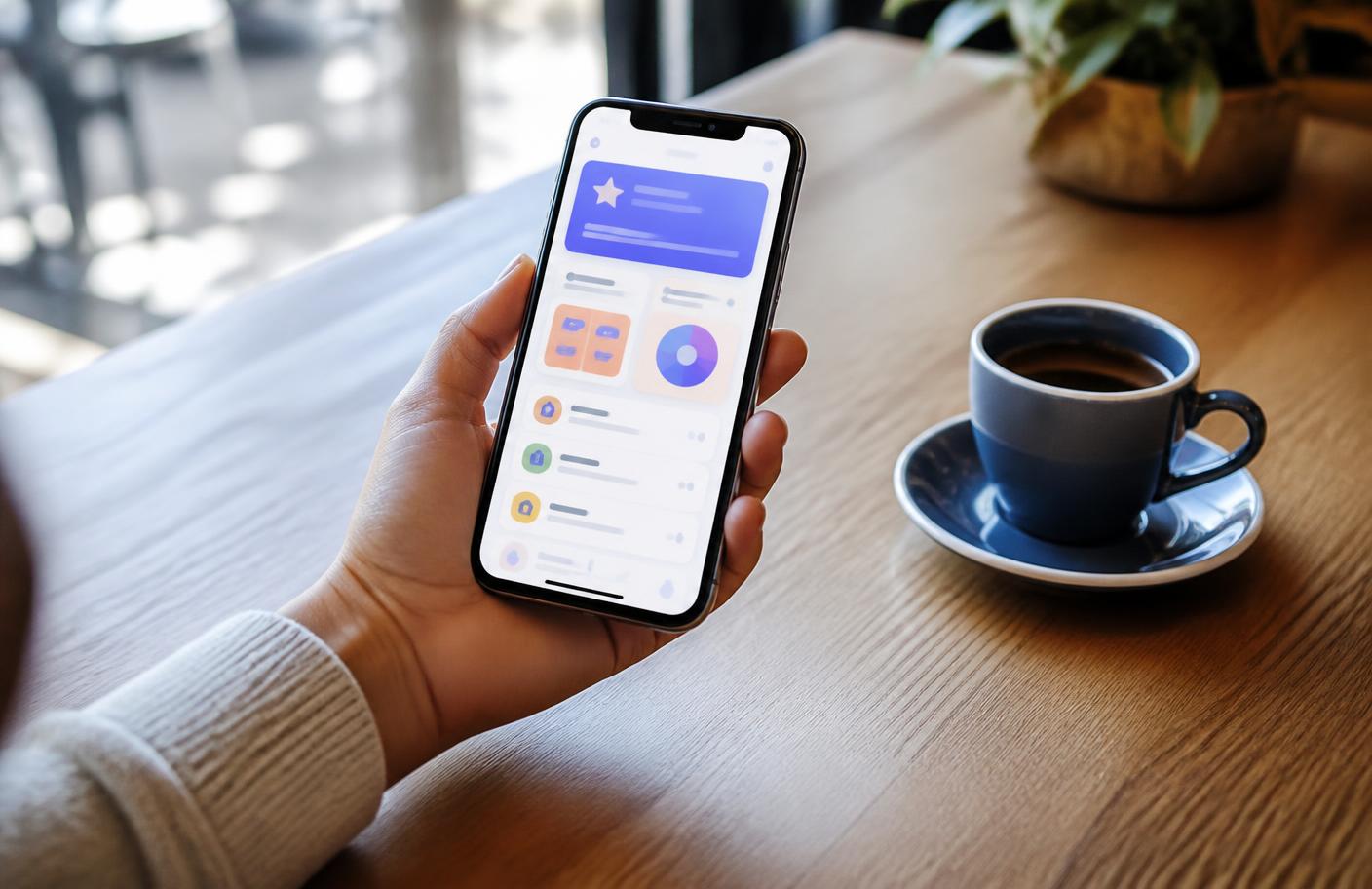
Put the samples in one place. A single simple page, a shared folder or a short document is enough. It needs your one-sentence offer, your examples, a way to contact you and nothing else. Skip the elaborate website until paid work justifies it.
Then look where buyers already are. Start with people you know, because existing contacts are consistently the most likely source of a first job. Tell friends, former colleagues and past employers exactly what you offer and who would benefit, in one short message.
Next, try communities where your ideal clients gather, such as industry groups, forums and local business networks. Be useful before you sell. Answer questions, share practical tips and let people see how you think. Introductions often follow.
Freelance marketplaces are the third route. They are competitive on price, but they are among the fastest places to earn a first review, and the first review changes everything. Complete your profile fully, apply only to jobs that match your offer and read each brief carefully.
Fees, rules and ranking systems differ between marketplaces and change over time. Confirm current terms on each official site before you join, and avoid any platform that asks you to pay for access to unpaid trial work.
You can also approach small businesses directly. Find a few whose websites or materials clearly need what you offer, and contact them with a specific observation. Direct approaches take more effort than a marketplace, but you compete with far fewer people.


Trade-offs and checks
Write short approaches. Use one or two lines naming a specific thing you noticed about their business, one line on what you would do, one link to relevant work and one question. Long pitches read as desperate and often go unread.
Related reading: Working While Travelling: Reliable Wi-Fi, Power and Focus

Here is a pattern that works. I noticed your booking page loads slowly on a phone. I have redesigned similar pages for local studios, and here is an example. Would it help if I sent a short list of fixes? That is clear, polite and easy to answer.
Avoid copy-and-paste messages. Recipients can tell within a sentence. Spend five minutes on each approach, and send a smaller number of better ones. Ten thoughtful messages usually beat a hundred generic ones, and they protect your reputation.
Follow up once, politely, after about a week. People are busy, and a short reminder is often what turns a missed message into a conversation. If there is still no reply, move on without comment and keep the door open.
When someone shows interest, respond quickly and ask questions. Learn what they are trying to achieve, what has failed before and what a good result would look like. Then confirm the scope, timeline and price in writing before starting any work.
Price the first job to win it, not to live on. The goal is a finished project, a testimonial and a case study. Be honest with yourself about this trade, and do not let a discounted first job become a permanent price for that client.
Protect yourself even on a small job. Agree the deliverables, the number of revision rounds and the payment terms in writing. Ask for a deposit where the client is comfortable with it. Clear terms prevent most disputes before they begin.
Making your next decision
Deliver slightly early if you can, and communicate during the work. Send a brief update partway through so the client is never wondering. Reliability is rare among new freelancers, and it is the quality that turns one job into a relationship.

When the work is done, ask for a testimonial while the result is fresh. Make it easy by suggesting two or three questions they can answer in a couple of sentences. With their permission, add it to your samples page or marketplace profile.
Then ask directly. If you know anyone else who needs this, I would appreciate an introduction. Most second clients come from the first one, and a warm referral carries far more trust than any message you could send to a stranger.
Keep a simple record of every conversation. A short list of who you contacted, when, what they said and when to follow up stops good leads slipping away. It also shows you which messages and channels work, so you can do more of them.
Expect rejection and silence. Most messages will go unanswered, and that is normal for every freelancer. Treat each no as information, adjust the offer or wording if a pattern appears, and keep sending steadily rather than waiting for a perfect reply.
Related reading: Gig Platforms Compared: Which One Fits Your Skills?
Before you decide where to start, check a few things. Is your offer one sentence? Do you have at least two honest samples? Have you told your existing contacts? Is your first price low enough to win but written clearly enough to protect you?
The verdict is practical. Narrow your offer, build honest proof, approach people with short specific messages, price the first job to win it and ask for a testimonial and an introduction. A portfolio grows from your first finished project, not before it.


Chapter 03 · Key highlights & takeaways
Key highlights & takeaways
- A narrow offer is easier to buy, refer and improve.
- Honest samples count even if nobody paid for them.
- Existing contacts are usually the likeliest first clients.
- Ask the first client for a testimonial and an introduction.
Watch out for: Never claim results you did not measure or clients you did not serve. Small truthful samples are safer and more persuasive than inflated claims.
Practical steps
- Write your offer as one specific sentence.
- Create two or three samples of exactly that work.
- Send short, specific messages to contacts and small businesses.
- Agree scope and payment in writing, deliver, then ask for a referral.
People also viewed
Chapter 04 · Before you decide
Pros, cons & decision checklist
Pros, cons and who it suits
Pros
- ✓ Narrow the offer before looking for work
- ✓ Sample work is judged on quality, not payment
- ✓ Contacts and communities come before cold approaches
Cons
- – Never claim results you did not measure or clients you did not serve
- Best for
- Readers who can confirm this: A friend can repeat it back
- Skip if
- Never claim results you did not measure or clients you did not serve. Small truthful…
Three checks to make before acting on this guide.
| Check | What good looks like |
|---|---|
| Offer fits in one specific sentence | A friend can repeat it back. |
| Two or three honest samples exist | Each states goal, action and result truthfully. |
| Scope, revisions and payment agreed in writing | Both sides can point to the same document. |
Verdict: start with the smallest reversible version, then expand using real results.

Chapter 05 · FAQ
Frequently asked questions
Do I need a website to start?
No.
Should I work for free?
Only to create a clearly limited sample on your terms.
Are marketplaces worth using?
They are competitive on price but fast for a first review.
How long should an approach message be?
Two to five short lines: a specific observation, what you would do, one relevant link and one question.
What should I charge the first client?
Enough to win the job while covering your time sensibly.
How do I get a second client?
Ask the first client for an introduction once the work is delivered.
Chapter 06 · Final verdict & next steps
Final verdict & next steps
Be specific, not impressive.
Honest samples beat empty claims.
One finished project builds the portfolio.
Do this next
Your next steps
- 1Write your offer as one specific sentence.
- 2Create two or three samples of exactly that work.
- 3Send short, specific messages to contacts and small businesses.
- 4Agree scope and payment in writing, deliver, then ask for a referral.
Keep reading
Sources: official vendor pages where a product is mentioned. Last reviewed 15 September 2026; prices are not quoted here, so confirm current prices and terms on the official site.
What to do next
Pick the smallest useful step from this guide and complete it before adding another tool or plan.
Related guides
Akacen Media editorial team
Independent, practical publishing
Akacen Media covers online business, money, security and software. Guides combine careful research with practical checks, clearly marked partner links and no paid rankings.
About Akacen MediaHow we reviewContactYouTubePinterestInstagramTikTok
Some links on this page are affiliate links. If you sign up through them we may earn a commission at no extra cost to you.
Read more about who publishes this on the publisher profile.