
Business Banking
Business Expense Cards: Track Spending Without Receipts Chaos
Using business cards properly, keeping expense records automatically, and avoiding the mistakes that create work at tax time.
Independently researchedNo paid placementsEvery recommendation is disclosed
Key highlights
This guide covers business expense cards: track spending without receipts chaos with practical steps, honest trade-offs, and clear recommendations.
Key highlights
- 1A business card is not a perk.
- 2Every business cost goes on it; nothing personal ever does.
- 3Choose based on how you spend.
Some links on this page are affiliate links. If you sign up through them we may earn a commission at no extra cost to you.
General information only — not financial advice.
Read more about who publishes this on the publisher profile.
Chapter 01 · The bottom line
The short answer
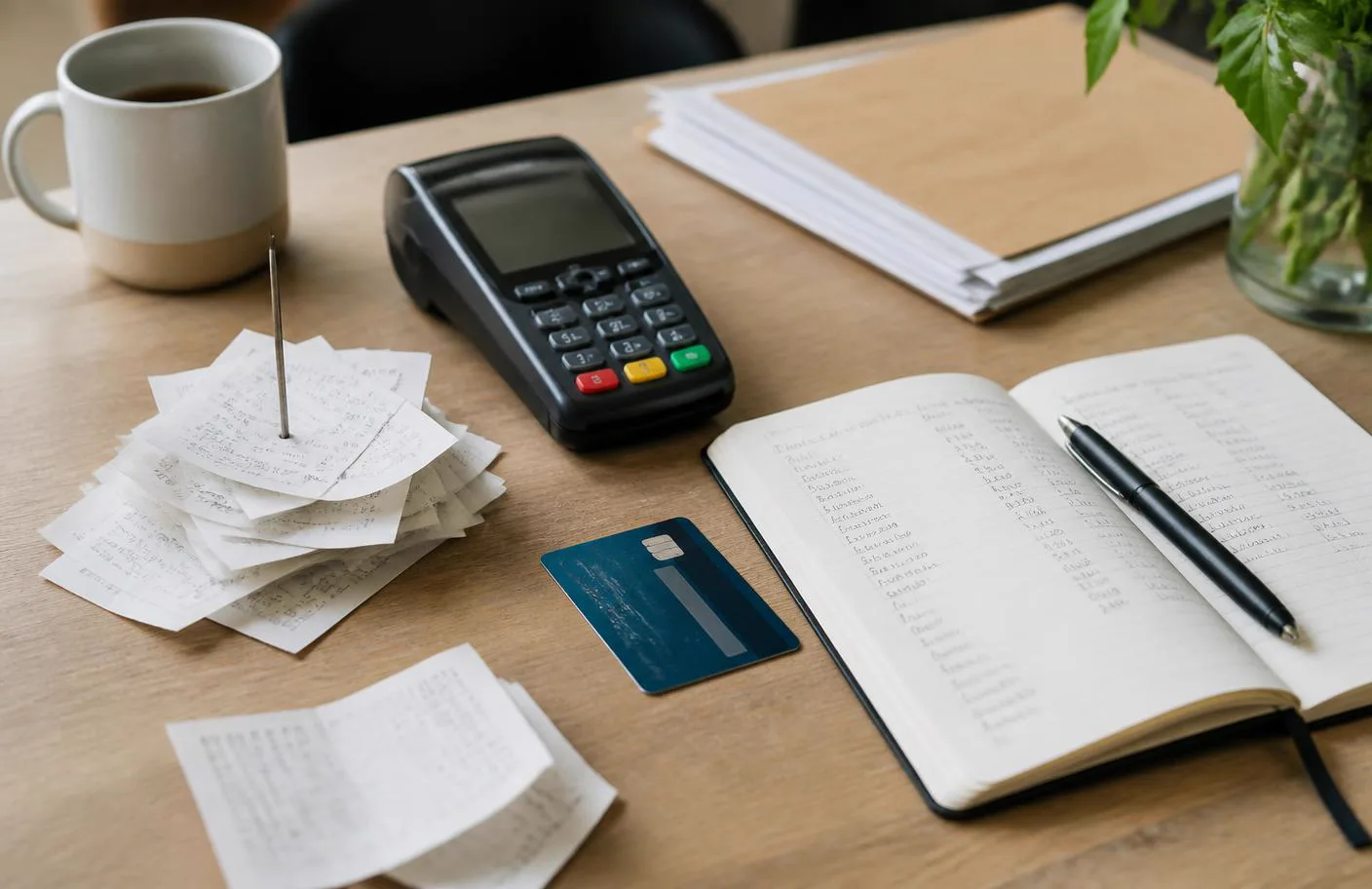
A business card is not a perk. It's the mechanism that keeps business spending recorded separately without you doing anything. Every business cost goes on it; nothing personal ever does. That one rule turns your card statement into a near-complete expense record and removes the worst part of bookkeeping — deciding months later whether a charge was business.
Chapter 02 · How it works
Practical guide
A business card is not a perk. It's the mechanism that keeps business spending recorded separately without you doing anything.
Every business cost goes on it; nothing personal ever does. That one rule turns your card statement into a near-complete expense record and removes the worst part of bookkeeping — deciding months later whether a charge was business or not.
A business card is not a perk.
Related reading: Business Bank Accounts: How to Choose the Right One
Choose based on how you spend. If costs are mostly software subscriptions, look for a card that issues virtual cards per subscription, so you can see and cancel each one cleanly. If you travel or buy abroad, the foreign transaction rate is the deciding factor. If cash flow is uneven, a charge card with a clear payment date may suit better than borrowing.
Recommended: Stripe
Takes card payments and subscriptions worldwide without you touching card data.
Try Stripe →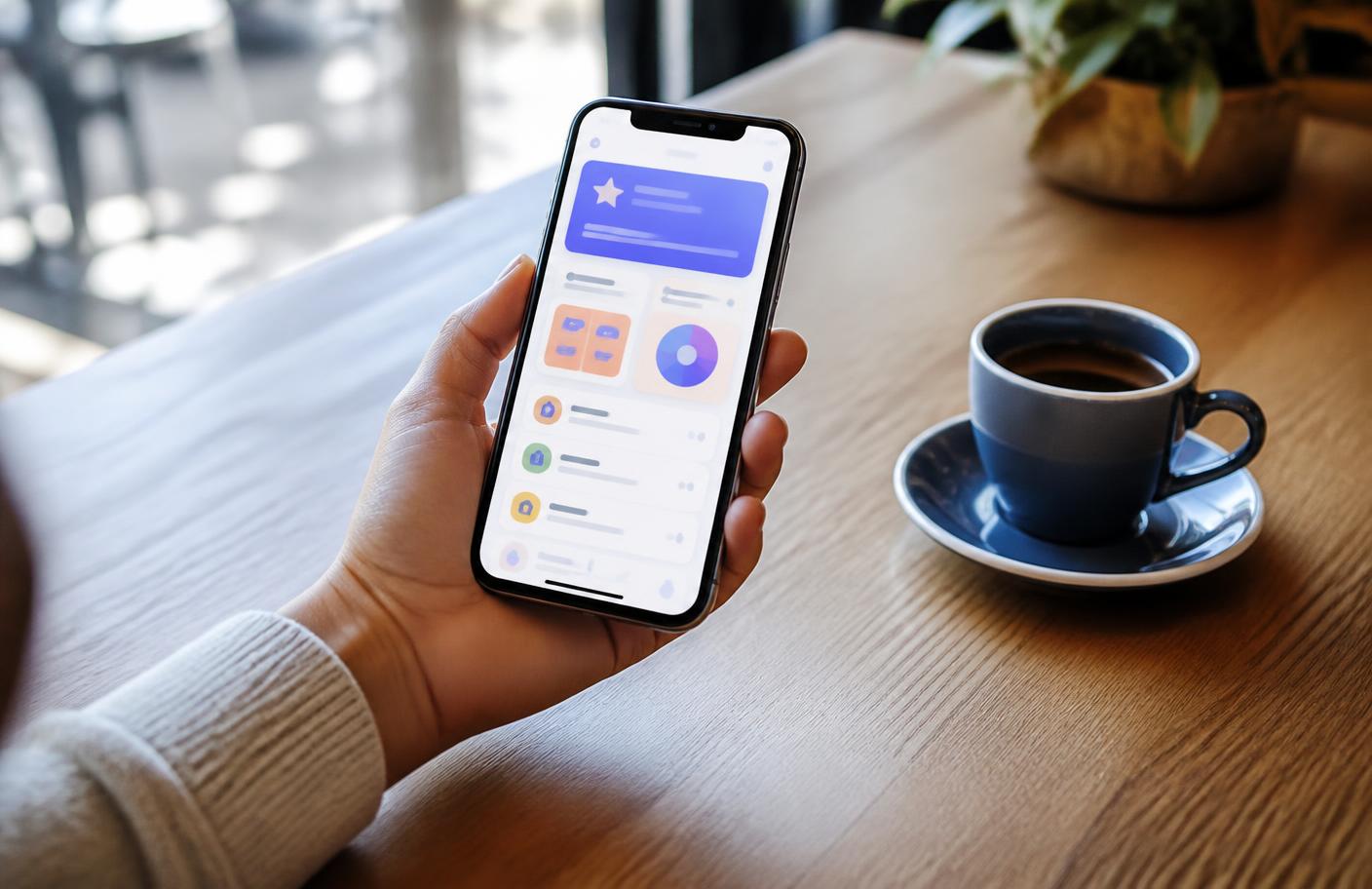
Capture receipts at the moment of purchase. Most business banking apps let you photograph a receipt against the transaction immediately; doing it then takes ten seconds and doing it later takes an evening.
Connect the card to your accounting software so transactions import automatically and only need categorising. Review weekly — a short weekly pass is easier than a quarterly reconstruction.
Related reading: Taking Card Payments: Compare Fees Before You Choose
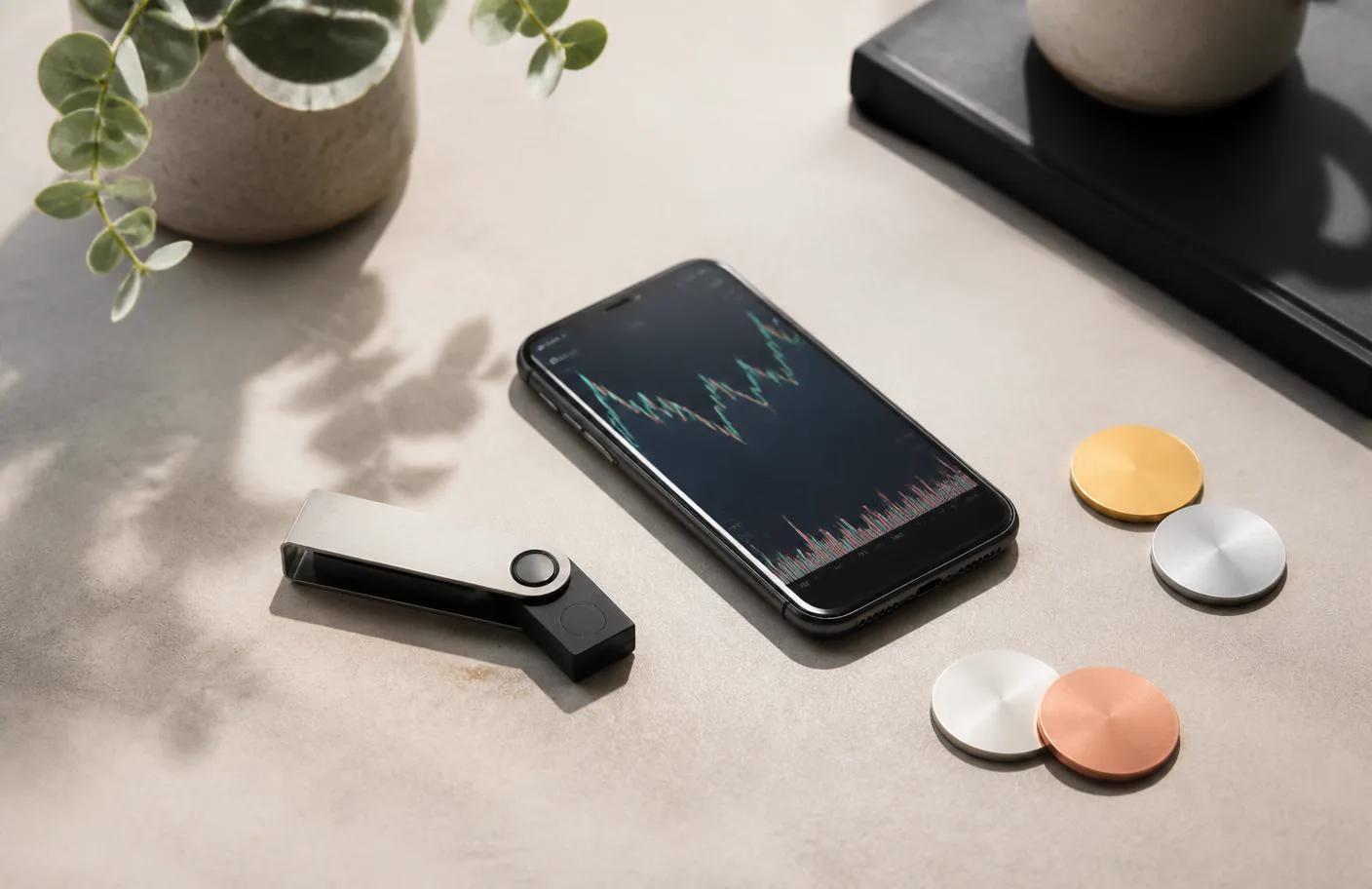
Be careful with rewards. Points are worth having and are never worth spending more to earn.
And if anyone else spends on the business, give them their own card with a limit rather than sharing yours. It's safer and the records stay clean.
Related reading: Hidden Bank and Payment Fees: Where Your Money Leaks

General information only. Check terms, eligibility and fees with the provider.
Chapter 03 · What matters most
Key takeaways
- A business card is not a perk.
- Every business cost goes on it; nothing personal ever does.
- Choose based on how you spend.
Watch out for: promises that remove every trade-off, cost or risk from the decision.
People also viewed
Top 3 in this niche, compared
Our editorial shortlist for business banking, ordered by how often it is the right first choice for a beginner. This is our own ranking, not a scored test — check current pricing and availability on each provider’s own site.
- 1
Property data and lead lists for real-estate side businesses.
Who it is for: turning visitors into customers. Not for: a business with no repeat traffic yet.
Position 1 of 3 in our shortlist · best for turning visitors into customers
Visit PropStream - 2
Property lead capture and follow-up in one place.
Who it is for: turning visitors into customers. Not for: a business with no repeat traffic yet.
Position 2 of 3 in our shortlist · best for turning visitors into customers
Visit DealMachine - 3
Market scanning tools for active traders, not beginners.
Who it is for: handling money on a phone. Not for: anyone who needs full branch banking.
Position 3 of 3 in our shortlist · best for handling money on a phone
Visit Trade Ideas
PropStream vs DealMachine
The two choices most people in business banking end up deciding between.
PropStream
- Type:
- Desktop tool
- Best for:
- turning visitors into customers
- Not for:
- a business with no repeat traffic yet
- Why we list it:
- Property data and lead lists for real-estate side businesses.
DealMachine
- Type:
- Desktop tool
- Best for:
- turning visitors into customers
- Not for:
- a business with no repeat traffic yet
- Why we list it:
- Property lead capture and follow-up in one place.
When PropStream is the better choice
Choose PropStream when your main job is turning visitors into customers. Skip it if you are a business with no repeat traffic yet.
When DealMachine is the better choice
DealMachine makes more sense when the priority is turning visitors into customers. It is not the right pick for a business with no repeat traffic yet.
Alternatives to PropStream
Some links here are partner links — if you sign up we may earn a commission at no extra cost to you. How we review and recommend.
Recommended tools and apps
A short, honest shortlist: desktop tools you set up once, and phone apps you can use on the move. We keep the list small on purpose.
Some links below are partner links — if you sign up we may earn a commission at no extra cost to you. It never changes what we recommend. How we review and recommend.
- TradingViewDesktop tool
Investing app for beginners — capital at risk, so start small.
- Best for
- handling money on a phone
- Not for
- anyone who needs full branch banking
- RechargeDesktop tool
Subscriptions and repeat orders for stores selling consumables.
- Best for
- selling physical or digital products
- Not for
- a one-off sale you could make on a marketplace
- PropStreamDesktop tool
Property data and lead lists for real-estate side businesses.
- Best for
- turning visitors into customers
- Not for
- a business with no repeat traffic yet
- Credit KarmaPhone app
Credit monitoring and score building before you apply for anything.
- Best for
- handling money on a phone
- Not for
- anyone who needs full branch banking
- • Money service — eligibility, fees and regional availability vary, so check before signing up.
- • Investing involves risk, including losing money. Nothing here is financial advice.
- • Financial service — eligibility, fees and regional limits apply.
Availability, pricing and eligibility change — always check on the provider’s own site. See every brand we recommend.
Recommended from Akacen
Related product guides

Dubai Wealth Secret
A plain-language review of the online income program and what it claims.
Tools used in this guide
Stripe
Takes card payments and subscriptions worldwide without you touching card data.
Try Stripe1Password
Generates and stores a different strong password for every account, which is the single biggest security upgrade you can make.
Try 1Password
Chapter 04 · Before you decide
Decision checklist
Three checks to make before acting on this guide.
| Check | What good looks like |
|---|---|
| Clarity | You can explain how this applies to business expense cards: track spending without receipts chaos in one sentence. |
| Cost | You understand the time and money required before committing. |
| Test | You can try a small, reversible version before expanding. |
Verdict: start with the smallest reversible version, then expand using real results.
Do this next
Your next steps
- 1You can explain how this applies to business expense cards: track spending without receipts chaos in one sentence.
- 2You understand the time and money required before committing.
- 3You can try a small, reversible version before expanding.
Chapter 05 · Questions answered
Common questions
What is the best first step for business expense cards: track spending without receipts chaos?
A business card is not a perk.
Which mistake matters most in business banking?
Avoid adding cost or complexity before you have tested the smallest practical step described in this guide.
How should I use this business banking guide?
Complete one practical action at a time, record what changed, and only add another tool when the next benefit is clear.
Chapter 06 · Final verdict
Final thoughts
The best approach to business expense cards: track spending without receipts chaos depends on your current constraints, not the most popular option.
Use the checklist above to choose one small step, try it, and measure whether it actually saves time or money.
When you are ready, explore the related guides below and start with one small step.
Keep reading
What to do next
Pick the smallest useful step from this guide and complete it before adding another tool or plan.
Related guides
Akacen editorial team
Independent, practical publishing
Akacen covers online business, money, security and software. Guides combine careful research with practical checks, clearly marked partner links and no paid rankings.
About AkacenHow we reviewContactYouTubePinterestInstagramTikTok
Some links on this page are affiliate links. If you sign up through them we may earn a commission at no extra cost to you.
General information only — not financial advice.
Read more about who publishes this on the publisher profile.